“Freedom in the Unseen”
This is where we explore the complexity of desire, silence, and personal power. In a world that often revolves around being seen and valued, we discover the freedom that arises when we free ourselves from the cage of desire. Welcome to a journey of self-acceptance and the courage to treat others as they deserve, regardless of their position in society.
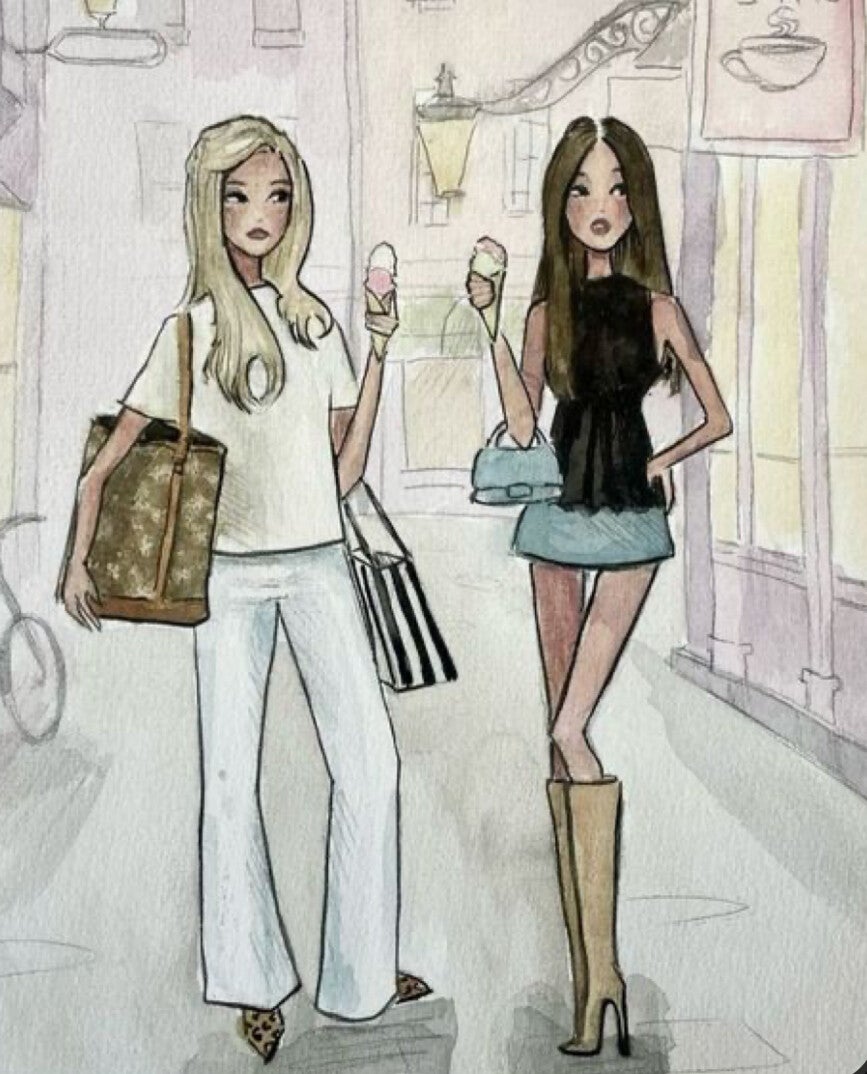
When Desire Becomes a Cage
People who are both desired and torn down fear that if they stop meeting the standards that make them desirable, they will face the same consequences they have seen happen to those on the other side—the ones who are not desired.
I used to serve this system myself. I always felt very uncomfortable with my disability. I always thought that if I was kind to people, or if I spent time with friends who were not desired by the system, people would notice my difference. They would see my disability—and that scared me. Why? Because people would make remarks about why I wasn’t popular, why I was “better or smarter than my friends” who were not desired by the system, when in reality, I had been undesired myself—not by choice, but by circumstance.
It’s a trap. What I learned is that when you don’t serve the system, when you respect people who are ignored or overlooked, people often misread it. They think you don’t have a disability, that you are confident, that you are emotionally intelligent. And in that misreading, if you were following the system’s rules, people might actually think you lack emotional intelligence. Compliance makes you safe, but safety does not equal respect. It does not equal freedom.
I have walked with people who had visible disabilities, and I have felt the stares, the judgment, the awkwardness. My mother would remind me, “You don’t have to experience this every day; he does.” And I would just smile at people, wave, and keep moving. It’s complicated. The system constantly reminds you of your position, your limitations, your place in society. It can erode your self-esteem.
Freedom Through Awareness
But here’s the truth: the people who are not desired—they have learned survival. They have mastered navigation. They are strong in ways the system will never reward or see. Some may feel weak. Some may not appear capable. But they know how the world works. And they survive.
For me, everything shifted when I began serving God and accepting myself—my limits, my identity, my talents, my joy. When I stopped trying to fit the system’s mold, I could remember where I had been: undesired, overlooked, unseen. I remembered my sister standing up for me when she was desired and I was not. Those memories grounded me. They reminded me why I should always treat others with kindness, no matter their position in the system.
Why not share a bit of that privilege with the undesired? Why not give them a glimpse of normalcy, a moment of respect, a space to feel seen? From my experience, that small act—just a little kindness—warms the heart. The appreciation in their eyes, the soft gratitude—it is everything. And you lose nothing. You gain respect, trust, connection.
Because you do not know the life of the person you overlook. You do not know if their sister is powerful, if their friends are influential, if they themselves will rise to greatness. Maybe they will become a famous writer, a motivational speaker, a leader in their community. If you treat them badly now, you may be fueling their drive to prove you wrong, to show that you were wrong to dismiss them.
Kindness is a small risk, a small leap of faith. But it goes a long way. It changes the system, one interaction at a time. And it changes you. It liberates you from fear.
Because the truth about desire is brutal: the system rewards conformity and punishes deviation. People who are desired and torn down live in constant awareness of the consequences for those who are not. They act out of fear, sometimes cruelty, sometimes arrogance, sometimes mockery. It is a survival mechanism. But you do not have to survive that way. You do not have to hurt others to protect yourself.
I have learned that strength is not in conformity. Strength is in knowing yourself, in standing within your limits, in extending dignity to those who are denied it. That is freedom. That is power. That is grace.
So yes, desire can become a cage. It can make you act in ways that are not truly you. But there is a way out: awareness, self-acceptance, and a little courage to treat others as they deserve to be treated. That is where true respect begins. That is where the system loses its control. That is where kindness becomes revolutionary.

My Silence Is Not Surrender — It Is Discernment
And yes, sometimes I have a bias; sometimes I don’t speak up. I’ve had moments when I sensed the undertones, the subtle forms of discrimination—but I don’t always confront them. Not because I’m afraid, but because I have already made a rule for myself:
The moment I see that you serve a system that tears others down, I don’t want you as a friend.
I don’t correct you. I don’t educate you. I let you reveal yourself, because I use that as material. I don’t need to fight you—I need to remember who you are.
I’m not here to change systemic problems by arguing with individuals. I focus on my needs. I focus on giving kindness to the undesired, because that is where my power lies.
Power in Silence
If I remain silent when you act clever or superior, don’t mistake it for weakness. My silence is me choosing peace over war. My silence is me gathering truth. Because I know you will fight me, and why would I deregulate my nervous system for you?
I live my best life. You live in fear. I am free because I am not afraid to lose privilege when I am kind. I wish you could taste that freedom too.

knowing my lane
But yes, sometimes I feel weak. Sometimes I have this program inside me, this urge, that I always have to speak up, even for the small things. But I remember what I learned from veganism: my nervous system can no longer handle tackling systems. I cannot fight people’s oppression for them, and I don’t have to. I have to stay in my lane.
It is also important that people experiencing discrimination learn to stand up for themselves. If I constantly bend backward to address every racist, sexist, ableist, classist, ageist, religious, body-shaming, or otherwise discriminatory remark, mockery, or undertone, I burn out. It’s not my place. The responsibility lies with those living the experience, not someone from the outside.
Responsibility and Freedom
I would rather have an ally who has walked my path—someone confident, emotionally intelligent, who has navigated the same oppression—as my support than someone who has never lived a single day in my shoes. That ally can help, yes, but it’s not an expectation. I don’t blame people for not fighting my battles.
It’s the same as veganism. I have never expected anyone to stand up for me. The awareness isn’t theirs. That responsibility is mine. And sometimes that means giving up a label—not because I abandon my truth, but because it’s the only way people will hear what I need to say. People weren’t listening, and my path required that I speak in a way they could understand.
I remind myself: this is my journey. I do not carry the weight of others’ battles. I do not need their validation or their fights. I just need to live my truth and speak it in a way that aligns with my life. That is power. That is freedom.